
Discover Delicious Low Fat Diet Foods
Explore nutritious, satisfying options that support your wellness journey without compromise on taste
Key Benefits of Low Fat Eating
Understanding why low fat options matter for your health and nutrition goals
Heart Health Support
Low fat foods help maintain healthy cholesterol levels and support cardiovascular wellness. Choosing leaner proteins and plant-based options reduces saturated fat intake, contributing to a stronger heart and better circulation overall.
Satisfying & Diverse Meals
Low fat doesn't mean boring. Fresh vegetables, whole grains, lean meats, and legumes create flavourful combinations that keep meals interesting. You'll discover new recipes and cooking techniques that make healthy eating enjoyable.
Sustained Energy Levels
Balanced low fat meals with adequate protein and complex carbohydrates stabilise blood sugar and provide steady energy throughout the day. No more afternoon crashes or mid-morning energy dips.
Nutrient Dense Options
Low fat foods are often rich in vitamins, minerals, and fibre. From leafy greens to whole grains, these nutrient-dense choices support immune function, digestive health, and overall wellness.
Balanced Nutrition
A well-planned low fat diet includes all essential nutrients: proteins for muscle maintenance, carbohydrates for energy, and healthy fats for hormone production and nutrient absorption.
Education & Guidance
Our editorial content helps you understand nutrition labels, identify hidden fats, and make informed choices at the supermarket. Knowledge empowers you to build a sustainable eating pattern.
Why Choose Low Fat Options
Low fat eating is not about deprivation—it's about making smarter choices that align with your wellness goals. Whether you're managing your daily nutrition, supporting heart health, or simply seeking sustainable eating habits, low fat foods offer a practical foundation.
Accessible & Affordable
Low fat staples like beans, lentils, chicken breast, and seasonal vegetables are budget-friendly and available year-round in UK supermarkets.
Flexible & Adaptable
Low fat eating works with various dietary preferences, from vegetarian to omnivorous, and fits into busy lifestyles with simple meal prep ideas.
Evidence-Based Approach
Supported by decades of nutritional research, low fat eating is a proven framework for long-term dietary success and wellness.
Understanding Low Fat Food Choices
A quick comparison of common foods and their low fat alternatives
Protein Sources
Higher Fat Options
Fatty cuts of beef, whole milk dairy, skin-on poultry
Low Fat Alternatives
Lean beef, skinless chicken, fish, Greek yoghurt, legumes
Grains & Carbohydrates
Higher Fat Options
White bread, pastries, creamy pasta sauces
Low Fat Alternatives
Wholemeal bread, oats, brown rice, quinoa, tomato-based sauces
Vegetables & Fruits
Higher Fat Options
Deep-fried vegetables, creamy dips, coconut-based sauces
Low Fat Alternatives
Steamed, grilled, or raw vegetables; fresh fruit; herb-based dips
Dairy & Cooking Fats
Higher Fat Options
Full-fat cheese, butter, cream, coconut oil
Low Fat Alternatives
Low-fat yoghurt, reduced-fat cheese, spray oils, olive oil (moderate)
Getting Started with Low Fat Eating
A simple four-step approach to transition to low fat foods
Read Labels
Start checking nutritional information on packaged foods. Look for fat content and compare similar products. Understanding labels empowers informed choices.
Stock Staples
Build your pantry with lean proteins, whole grains, beans, lentils, and frozen vegetables. These affordable staples form the foundation of countless low fat meals.
Experiment & Adapt
Try new recipes and cooking methods. Grilling, steaming, and baking replace frying. Discover flavour combinations that make low fat eating enjoyable and sustainable.
Stay Informed
Regularly read our articles and guides to deepen your knowledge. Nutrition science evolves, and our editorial team keeps you updated on best practices.
Browse Low Fat Meal Inspiration
Explore diverse food categories and discover new options for your kitchen
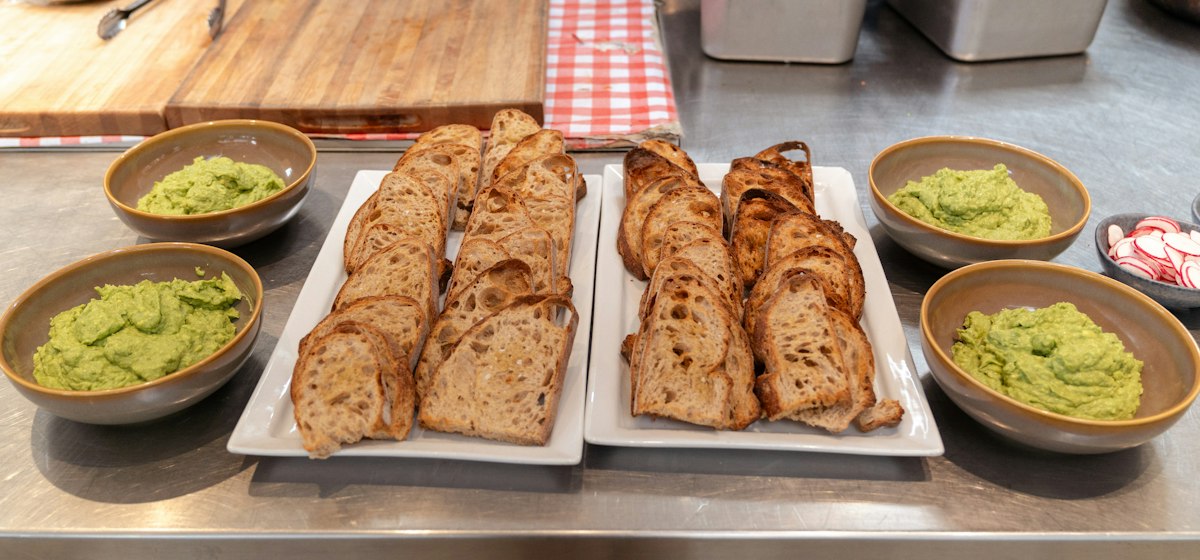
Lean Proteins
Skinless chicken, fish, lean beef, and plant-based proteins that deliver nutrition without excess fat.

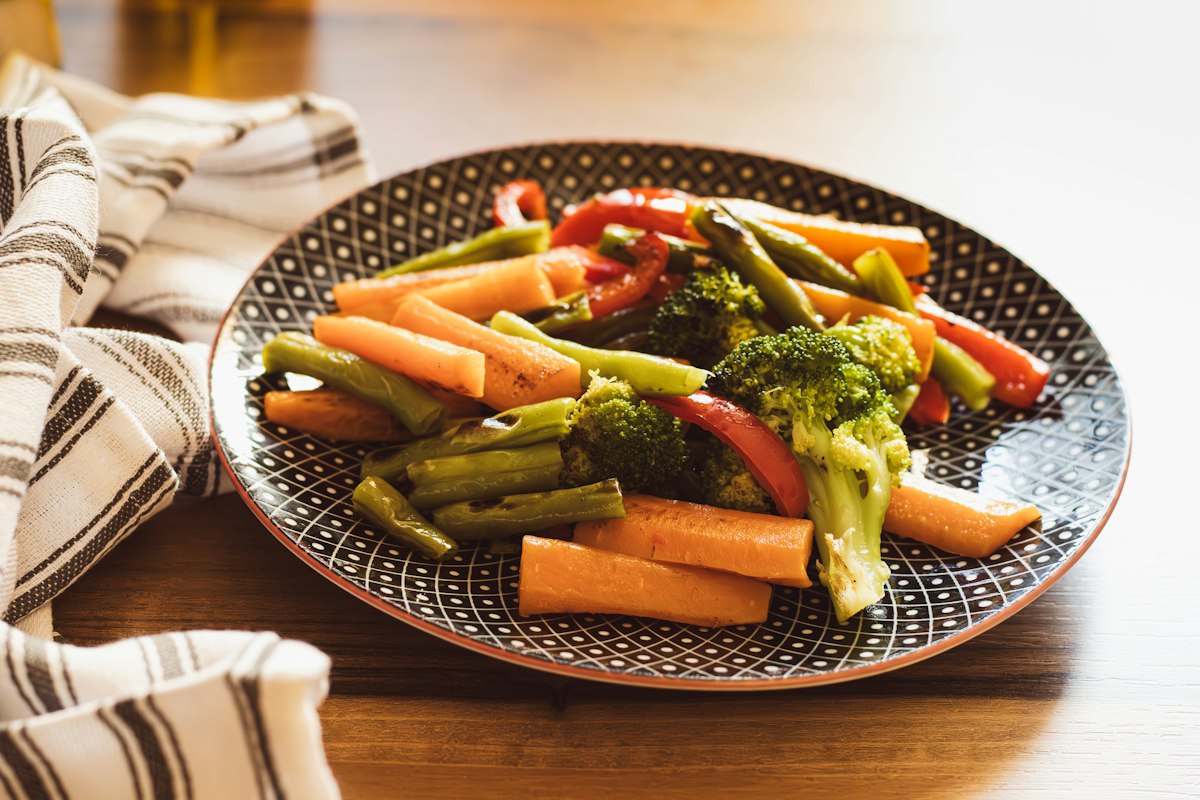
Fresh Vegetables
Colourful produce packed with vitamins and fibre. From leafy greens to root vegetables, endless possibilities.
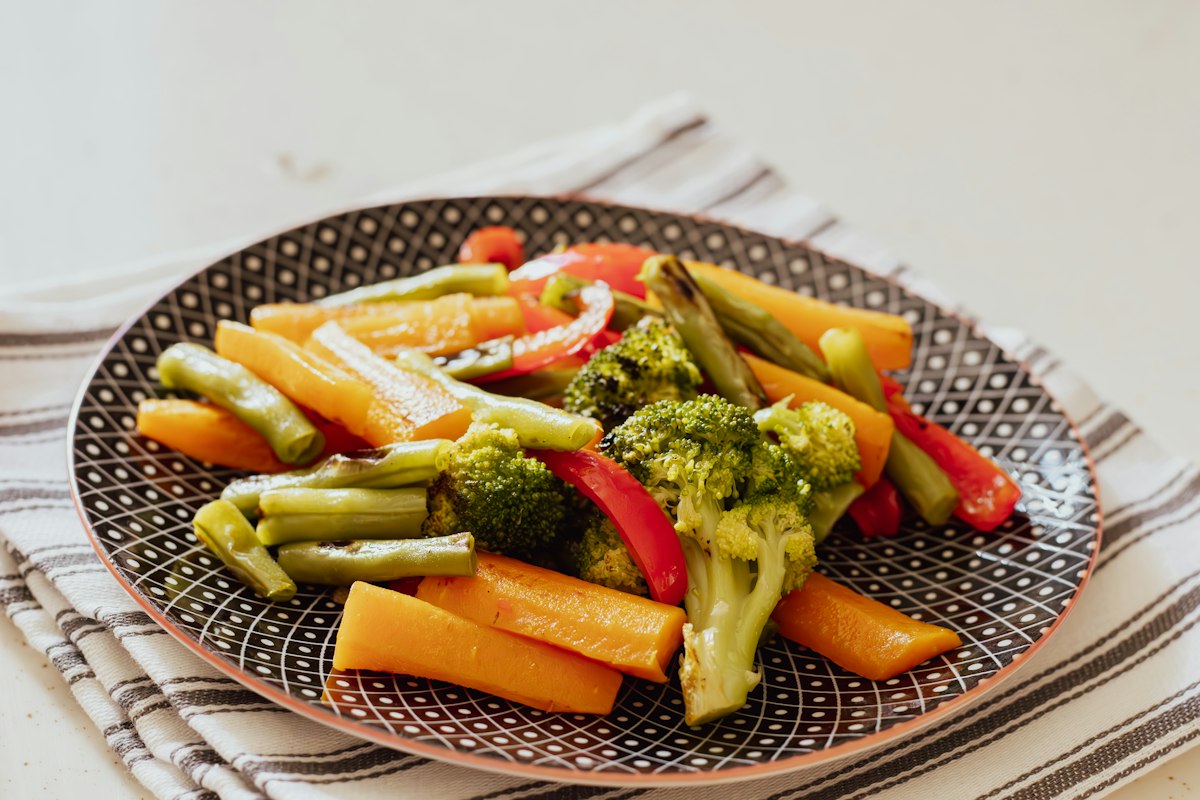
Whole Grains
Brown rice, oats, quinoa, and wholemeal bread provide sustained energy and essential nutrients.
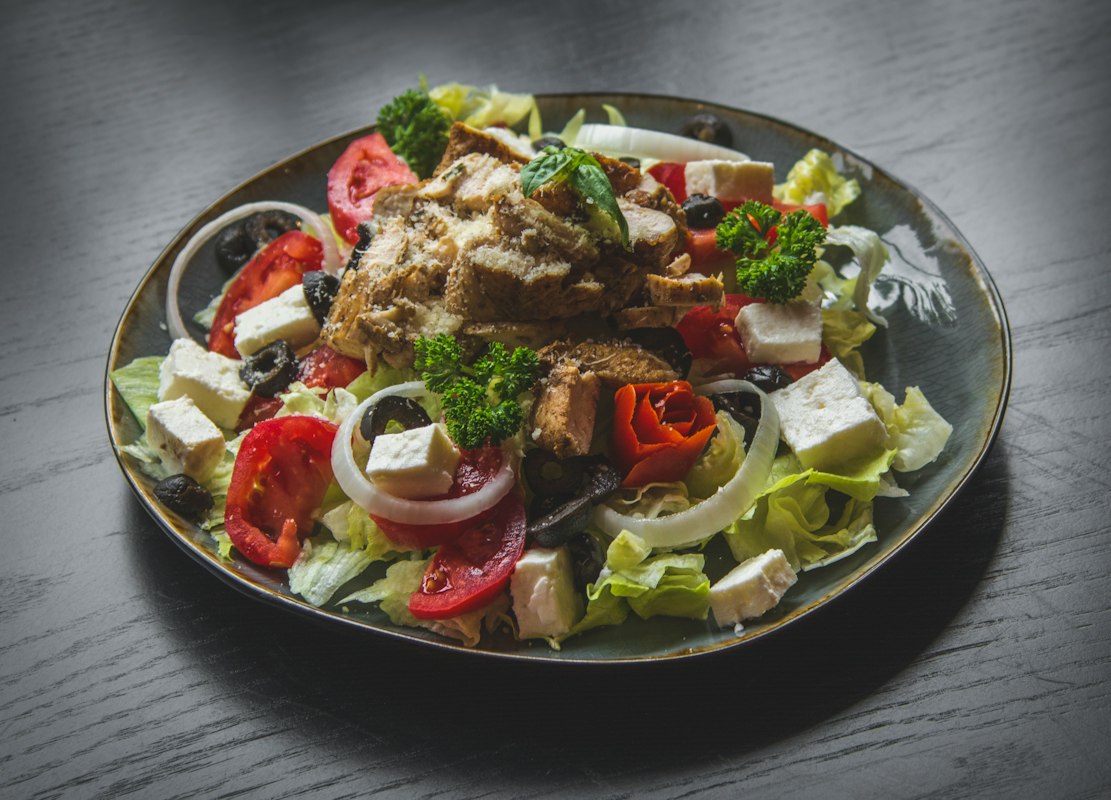
Legumes & Beans
Lentils, chickpeas, and beans offer plant-based protein and fibre for hearty, satisfying meals.

Low Fat Dairy
Greek yoghurt, low-fat milk, and reduced-fat cheese support calcium intake without excess fat.
Fresh Fruits
Apples, berries, citrus, and seasonal fruits provide natural sweetness and beneficial antioxidants.
Common Questions Answered
Everything you need to know about low fat eating
What exactly is a low fat diet?
A low fat diet emphasises foods lower in fat content, typically aiming for 20–35% of daily calories from fat (compared to the typical UK average of 35–40%). This means choosing lean proteins, whole grains, plenty of vegetables, and using cooking methods that minimise added fats like grilling, steaming, or baking instead of frying.
Is low fat the same as low calorie?
No. While fat is more calorie-dense (9 calories per gram) than protein or carbohydrates (4 calories each), a low fat diet isn't automatically low in calories. You can still overeat on low fat foods. A balanced approach combines portion awareness with nutrient quality for sustainable results.
Do I need to eliminate all fats?
No. Healthy fats are essential for hormone production, nutrient absorption, and brain function. Low fat eating means reducing saturated and trans fats while including moderate amounts of heart-healthy fats from sources like olive oil, fatty fish, nuts, and seeds.
Can I still enjoy flavourful meals?
Absolutely. Low fat cooking focuses on herbs, spices, marinades, and cooking techniques that enhance natural flavours. Grilling, roasting, and steaming intensify taste without added fats. Many cuisines—Mediterranean, Asian, and others—naturally emphasise low fat preparations.
How do I know if a food is truly low fat?
Check the nutritional label on packaging. In the UK, food labels show fat content per 100g. As a rule of thumb: 3g fat or less per 100g is low fat, 10g or more is high fat. Compare products and read ingredient lists to avoid hidden fats and ultra-processed options.
Is low fat eating suitable for everyone?
Low fat eating can be adapted for most people, though individual needs vary. Consult with a registered dietitian or nutrition professional if you have specific health considerations. Our articles provide general information—personalised guidance ensures an approach suited to your unique circumstances.
Real Stories from Our Readers
How others have benefited from exploring low fat food options
"I was intimidated by the idea of low fat eating, thinking it meant giving up flavour. But the articles here showed me how to use herbs, spices, and smart cooking methods to create meals I genuinely enjoy. I've discovered new favourite recipes and feel so much better."
Sarah Mitchell
Manchester, UK
"The guides on reading nutrition labels have been invaluable. I now understand what I'm actually eating and can make choices that align with my goals. The food categories section helped me plan my weekly shopping in half the time."
James Chapman
Bristol, UK
"Weightlossnutribase has completely transformed how I approach nutrition. The personalized guidance and easy-to-follow meal plans keep me motivated. I've lost 3 stone and feel healthier than ever!"
Sarah Mitchell
Manchester, UK
Start Your Weight Loss Journey Today
Join thousands of people who have transformed their health with our comprehensive nutrition database and personalized guidance. Your success story starts here.
Frequently Asked Questions
Weightlossnutribase
Your trusted partner in achieving sustainable weight loss through science-backed nutrition guidance.